Furniture & Hardware Applications
Stamped Fastener Solutions for Furniture Assembly, Panel Fixing, and Hardware Installation
Furniture fastening parts are usually small, but they play an important role in whether a furniture assembly point can be installed easily, fixed securely, removed when needed, and kept stable during daily use. For furniture panels, metal brackets, chair frames, table structures, cabinet components, decorative covers, removable panels, and hardware accessories, MSf provides metal stamped fasteners that can be selected or customized according to the actual assembly condition.
In furniture assembly, fastening performance is affected by panel thickness, hole size, edge condition, screw engagement, assembly direction, surface finish, and repeated installation requirements. If the fastening part is not matched to the actual application, it may cause difficult installation, poor screw alignment, insufficient clamping force, damage to the panel or surface, looseness after use, or inconvenience during later service removal. MSf reviews these assembly factors to help customers choose suitable fastening solutions for different furniture structures and hardware installation points.
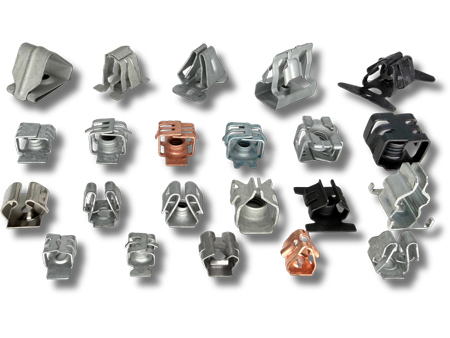
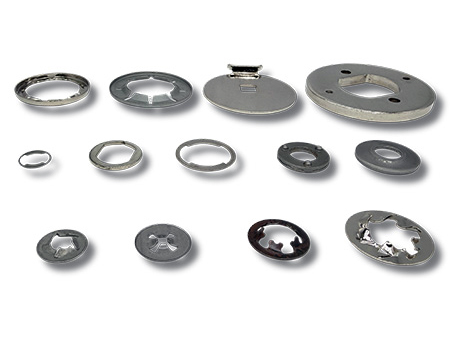
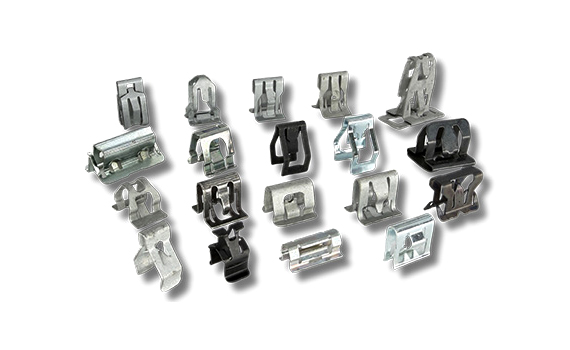
For furniture and hardware applications, MSf supports a range of stamped fastener solutions, including clip nuts, U-nuts, edge clips, trim clips, fastener clips, washers, cage nuts, and floating nut plates. These products can be used for panel fixing, bracket assembly, edge mounting, decorative part installation, tolerance compensation, and removable fastening points. In addition to product manufacturing, MSf can also support material and surface treatment suggestions, testing and inspection, quality documentation, and customer-specific small packaging services for furniture kits or retail channels.
Common Fastening Challenges in Furniture & Hardware Applications
In furniture and hardware applications, fastening issues are often found during trial assembly, final product assembly, kit preparation, or installation by the end user. A fastener may look simple on the drawing, but its performance can be affected by panel thickness, hole tolerance, edge condition, screw engagement, assembly direction, surface finish, and repeated installation requirements.
For furniture panels, metal brackets, chair frames, table structures, cabinet components, decorative covers, removable panels, and hardware accessories, the fastening design must support easy installation, stable fixing, and reliable use over time. If the fastener is not matched to the actual assembly condition, it may cause difficult screw alignment, insufficient thread engagement, unstable clamping force, panel damage, surface scratches, looseness after use, or inconvenience during service removal.
Before moving into production or packaging, the following points should be reviewed:
● Whether the fastener can be installed smoothly under the actual assembly condition
● Whether the panel thickness, hole size, and edge condition match the fastener structure
● Whether the screw engagement is sufficient for stable fastening and repeated installation
● Whether the fastening point can reduce the risk of panel damage or surface scratches
● Whether the fastener can support removable panels, decorative covers, or hardware accessories
● Whether the surface treatment is suitable for indoor use, appearance requirements, or corrosion protection
● Whether testing reports, inspection records, or customer-specific quality documents are required
● Whether the fastener needs to be supplied in small packaging for furniture kits or retail channels
MSf supports these evaluations through stamping design experience, mechanical performance testing, material and surface treatment review, quality documentation, mass-production control, and customer-specific packaging support.
Fastener Selection by Installation Requirement
Panel and Bracket Fixing
Furniture products often include panels, metal brackets, support frames, table legs, chair frames, cabinet parts, and other hardware components that require stable screw fastening. When the base material is too thin for direct tapping, or when the panel itself cannot provide enough screw engagement, stamped fasteners can help create a more reliable fastening point.
Clip nuts, extruded U-nuts, single-thread U-nuts, and washers can be used for panel fixing and bracket assembly. These parts help improve screw engagement, distribute fastening force, and reduce the need for additional welding, tapping, or secondary processing. MSf can review panel thickness, hole position, screw size, and assembly direction to recommend a suitable fastening structure.
Edge Mounting and Thin Sheet Assembly
Many furniture hardware components are installed on the edge of a panel, metal frame, or thin sheet structure. In these positions, the available space is limited, and the fastening point often needs to be created without welding, riveting, or complex secondary operations.
Edge clips, clip nuts, and fastener clips are suitable for edge mounting and thin sheet assembly. They can be designed to clip onto the edge of a panel or metal part and provide a stable fixing point for screws or mating components. These solutions are suitable for furniture frames, support brackets, sliding rail components, metal covers, and other hardware installation points where quick and stable assembly is required.
Removable Covers and Decorative Parts
Some furniture products include removable panels, back covers, side covers, decorative trims, plastic parts, or appearance-related components. These parts need to be installed securely while still allowing removal for service, replacement, or final assembly. The fastening design should also help reduce visible damage, surface scratches, or looseness after repeated use.
Trim clips, fastener clips, washers, and selected U-nuts can be used for decorative part installation and removable fastening points. These solutions support quick installation, stable retention, and easier service removal compared with permanent joining methods. MSf can review the installation space, removal direction, retention requirement, and surface condition to help select a suitable fastening solution.
Tolerance Compensation for Modular Furniture Structures
For modular furniture, metal frames, larger cabinet structures, or adjustable hardware assemblies, hole alignment may not always be perfect during installation. If the fastening point does not allow tolerance compensation, the installer may experience difficult screw insertion, cross-threading, poor alignment, or unstable assembly.
Cage nuts and floating nut plates can provide limited floating movement to help compensate for hole position variation. This makes screw installation easier and improves assembly efficiency when multiple panels or metal parts must be aligned together. These products are suitable for furniture structures that require repeated assembly, modular installation, or better tolerance control at the fastening point.
Small Fastener Packaging for Furniture Kits and Retail Channels
Furniture products are often supplied with installation kits, hardware bags, or small component packs. For small U-nuts, stamped clips, washers, or other metal fasteners, packaging consistency is important because missing parts or incorrect quantities may directly affect the end user’s assembly experience.
MSf can support customer-specific small packaging requirements, such as fixed-quantity plastic bag packing and heat sealing. For example, small U-nuts can be packed in sets of four pieces per bag according to customer requirements. This service helps customers simplify kit preparation, reduce missing-part issues, and prepare products for furniture assembly kits, after-sales service packs, or retail distribution channels.
Custom Review for Non-Standard Fastening Requirements
Furniture and hardware applications often involve different panel materials, bracket shapes, installation directions, screw sizes, and appearance requirements. Standard fasteners may not always match the actual assembly condition, especially when the fastening point is affected by limited space, special hole design, unusual panel thickness, or repeated removal requirements.
MSf can review non-standard fastening requirements based on the customer’s drawing, sample, mating part, and installation condition. Depending on the application, MSf can support customized stamped fasteners, adjusted clip geometry, modified screw engagement, material suggestions, surface treatment review, and packaging requirements. This helps customers develop fastening parts that are better matched to the real assembly environment.
Testing and Documentation Support
For furniture and hardware fasteners, testing and documentation help confirm whether the part is suitable for production, assembly, and repeated use. Depending on the project requirement, MSf can support dimensional inspection, thread inspection, hardness testing, torque testing, insertion and removal force testing, retention force testing, and other mechanical performance checks.
MSf can also provide inspection reports, material documents, surface treatment records, and customer-specific quality documentation when required. These documents help customers confirm product consistency and support internal approval, supplier evaluation, production release, or retail product preparation.
Material, Surface Treatment, and Production Review
The performance of a furniture fastener can be affected by material selection, heat treatment, surface treatment, and production stability. Different applications may require different priorities, such as spring performance, thread strength, corrosion resistance, surface appearance, or smooth installation.
MSf can assist customers in reviewing suitable materials such as low carbon steel, medium carbon steel, spring steel, stainless steel, or other metal materials according to the application. Surface treatment options can also be reviewed based on indoor use, corrosion protection, color requirement, appearance, coating thickness, and screw engagement. Before mass production, MSf can review tooling feasibility, stamping process, inspection points, and packaging requirements to help ensure stable production.
Discuss Your Furniture & Hardware Applications Fastener Requirement
Every furniture assembly has different fastening conditions. Panel thickness, screw size, hole tolerance, installation direction, appearance requirement, surface treatment, and packaging method may all affect the final fastening performance.
If you are developing furniture panels, metal brackets, cabinet components, chair frames, table structures, decorative covers, removable panels, or hardware accessories, MSf can help review your fastening requirement and recommend suitable stamped fastener solutions. Our team can support product evaluation from drawing review and sample discussion to testing, documentation, mass production, and customer-specific packaging.
- Related Products
Extruded U-Nuts
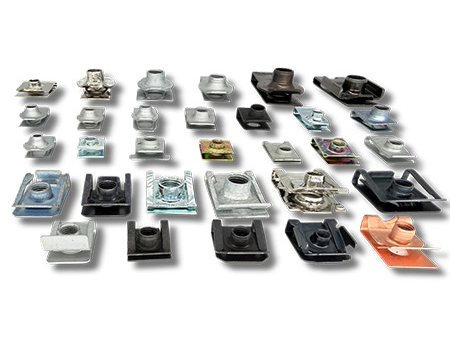
Professional Extruded U-Nuts — Integrating Localized Drawing and Multi-Stage Forming for Automotive Sheet Metal and Plastic Panel Assembly. Our U-nuts...
Details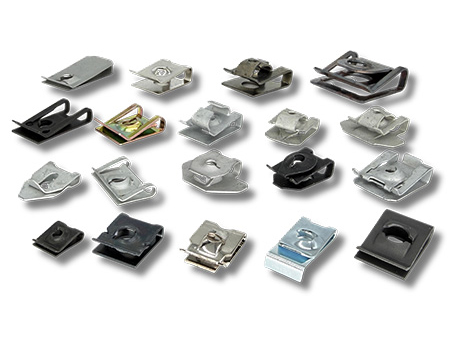
Single-Thread U-Nuts
Our single-thread U-nuts are specifically engineered for general machinery enclosures, industrial control panels, and automotive protective shields requiring...
Details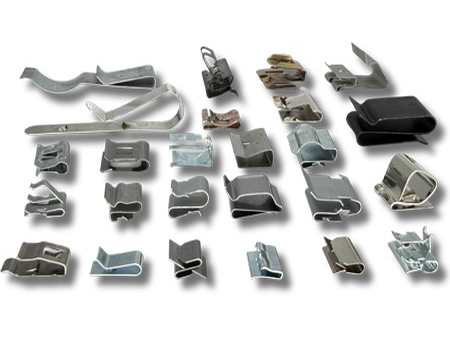
Edge Clips
Our edge clips are expertly engineered for various enclosures, panel borders, and wire routing applications. Utilizing advanced precision stamping and progressive...
Details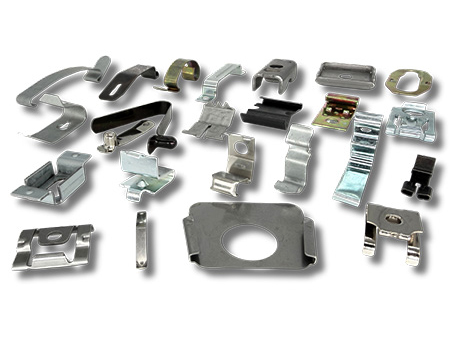
Fastener Clips
Our fastener clips are meticulously designed for various enclosures, panel interlocking, and wire management applications, aiming to provide a completely...
Details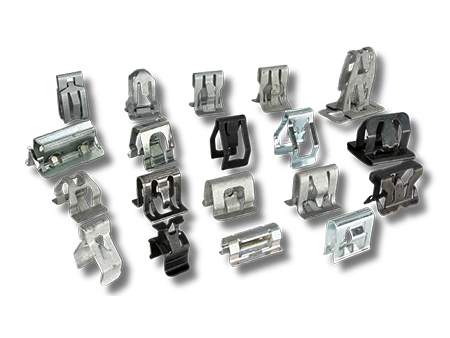
Trim Clips
Our trim clips are meticulously engineered for exterior trim, machinery protective hoods, and interior panels across various industries, providing a completely...
Details